overview
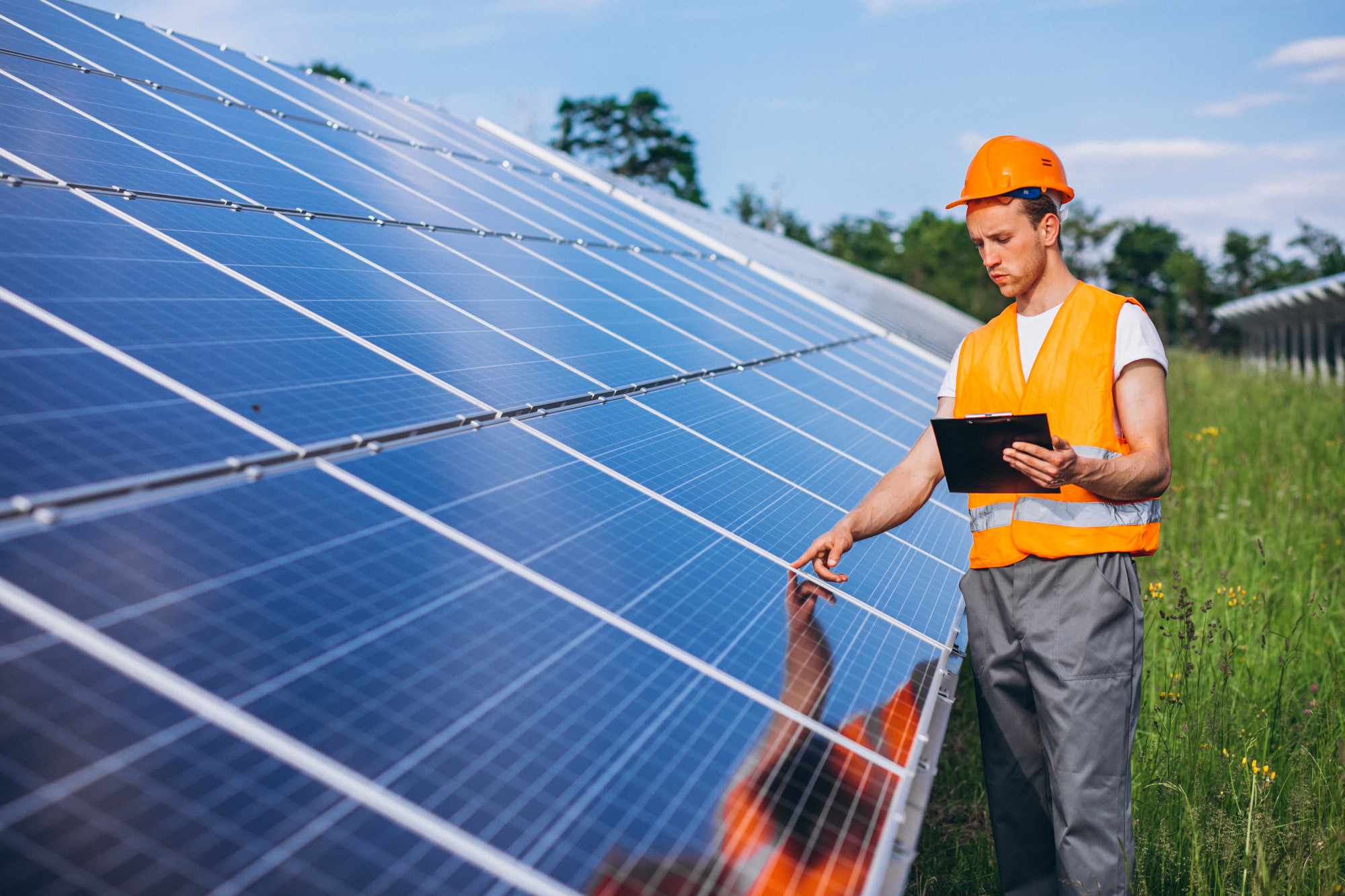
Solar energy is one of the world's most efficient and widely used renewable energy sources. Using solar power in combination with batteries and energy storage to create a more reliable, secure, and sustainable energy system might provide a competitive advantage for your business. Techops Global is always looking for innovative solar and storage options to benefit our clients and the grid operators to whom they deliver power.
As an integrator of clean technologies focusing on energy efficiency and renewable energy, our team and partners have designed and managed solar energy projects for schools, cities, and private organizations.When you work with Techops Global, you have access to a team of solar power experts who can help you figure out the best way to reach your goals.
Solar For Any Location
Floating photovoltaic panels, commonly referred to as "floatovoltaics" are photovoltaic solar panel arrays installed on bodies of water, as opposed to more conventional land-based, rooftop, or packing canopy solar panel installations one typically sees. You may wonder why put solar panels on water?
Before delving into the specifics of why, let's take a look at the kinds of situations where floating photovoltaic solar arrays really shine:
· Wastewater treatment lagoons
· Drinking water reservoirs
· Water retention ponds, irrigation ponds, agricultural ponds
· Abandoned quarry lakes or tailings ponds.
· Electrical dams and reservoirs
· Oceans
Floatovoltaic solar arrays are an exciting new option for businesses that want to put in large-scale solar power systems for a number of reasons.
1) Water-mounted arrays provide renewable energy without sacrificing precious land. They are inexpensive and carbon-neutral, but they also like to preserve open spaces for other uses such as agriculture, parks, wildlife preserves, residential areas, and other green spaces.
2) Floating photovoltaic panels improve the quality of these water sources. The solar panels cast a shadow over the water, preventing the spread of algae. Commercial pond and lagoon managers will be relieved to no longer have to deal with algae and other sun-loving aquatic vegetation.
3) Floatovoltaics soak up the sun's rays, which cuts down on the amount of water that evaporates from water storage tanks and wastewater treatment lagoons.
4) Floatovoltaics are more effective at converting sunlight into usable energy. As the surrounding water serves as a natural cooling to the panels, it is predicted that the efficiency of these floating structures could be up to 10% better that of land-based solar plants. This boosts productivity and the total energy output.
5) Floatovoltaics are simple to set up and keep in working order. The solar panel array is mounted on floats that are secured to the lake's or pond's shoreline or bottom. Access walkways are available for servicing the secondary float system.
6) The resiliency of floatovoltaics systems. They may be made to withstand harsh weather, precipitation, and rust.
Floatovoltaics are a new frontier in the quest for appropriate solar power plant sites. These systems work well for water and wastewater treatment facilities, municipalities, agricultural and food processing industries and owners of abandoned mines or other areas that need renewable energy.
Open spaces brownfields, and landfills are all potentially suitable for solar development, but it all depends on the specifics of your site. Our company and its partners have years of experience developing environmentally sensitive locations into solar farms.
Solar farms are an extensive collection of photovoltaic (PV) solar panels that collect solar energy, convert it to electrical energy, and delivers that electricity to the power grid for consumer consumption.
There are two categories of solar farms: utility-scale and community.
Utility-scale solar farm
These are the massive solar panel arrays, which may span hundreds of acres. Some utility-scale solar farms can generate up to 500 megawatts of energy and are typically owned by a utility company or private investor through a Power Purchase Agreement (PPA), enabling the entity to distribute the solar energy to numerous large corporations, facilities, and consumers in a community.
Community-scale solar farm
Community solar farms are much smaller than utility solar farms; they get and give out solar energy on a much smaller scale. While they are still freestanding, these roofless solar power systems need less than 10 acres, depending on the number of people sharing solar energy. Frequently, the community they serve owns or leases these solar power installations rather than a utility company.
A microgrid is a network of distributed energy resources like solar photovoltaic (PV), wind turbines, energy storage, and, depending on their size, turbines or microturbines powered by gas from waste-to-energy systems. Microgrids can be connected to larger energy grids, and if there is a major power outage, they can disconnect from the main grid and work on their own to power facilities that are connected to their distribution network (i.e., island mode).